why is coal oil and gas called fossil fuels Fossil fuels coal gas oil pp slideshare
As we move forward towards a sustainable future, it’s vital that we understand the difference between renewable and non-renewable energy sources. To put it simply, renewable energy sources are those that are continually replenished, while non-renewable energy sources are finite and will eventually run out. One of the most well-known non-renewable energy sources is fossil fuels. This includes coal, oil, and gas, which are formed from the remains of plants and animals that lived millions of years ago. While these resources have been essential in powering our modern society, they are also responsible for a significant amount of greenhouse gas emissions, leading to climate change and environmental degradation. On the other hand, renewable energy sources, such as solar, wind, and hydroelectric power, are much cleaner and sustainable alternatives. These resources harness the power of natural elements to provide energy, without consuming finite resources or contributing to climate change. But what are some of the benefits of using renewable energy sources, and why should we prioritize them over non-renewable options? For starters, renewable energy sources aren’t just cleaner and better for the environment, but they can also be more cost-effective in the long run. While setting up renewable energy infrastructure may require some initial investment, the ongoing cost of maintaining and using these resources is significantly lower than that of non-renewable options. Moreover, renewable energy sources can often be more reliable and offer greater energy security. For example, solar panels can be installed on individual buildings, providing a decentralized energy source that is less vulnerable to blackouts or power outages. Similarly, wind farms can be distributed across a wide area, reducing dependence on any one particular energy source. Of course, there are still challenges that need to be overcome in transitioning to renewable energy sources. Infrastructure changes, logistical challenges, and resistance from vested interests can all pose barriers to progress. However, as we continue to develop and innovate in this space, the rewards for prioritizing renewable energy sources will only become more evident. In conclusion, understanding the difference between renewable and non-renewable energy sources is crucial in moving towards a sustainable future. Renewable energy sources offer numerous benefits over non-renewable options, including lower costs, greater reliability, and a cleaner environment. By prioritizing these resources, we can build a better, more sustainable world for ourselves and future generations.
If you are searching about Fossil fuels oil, coal, gas pp you’ve visit to the right page. We have 5 Pictures about Fossil fuels oil, coal, gas pp like Online Lesson: Renewable vs. Non-Renewable Energy Sources - RE Sources, Fossil Fuel Examples and Uses and also Fossil Fuel Examples and Uses. Here you go:
Fossil Fuels Oil, Coal, Gas Pp
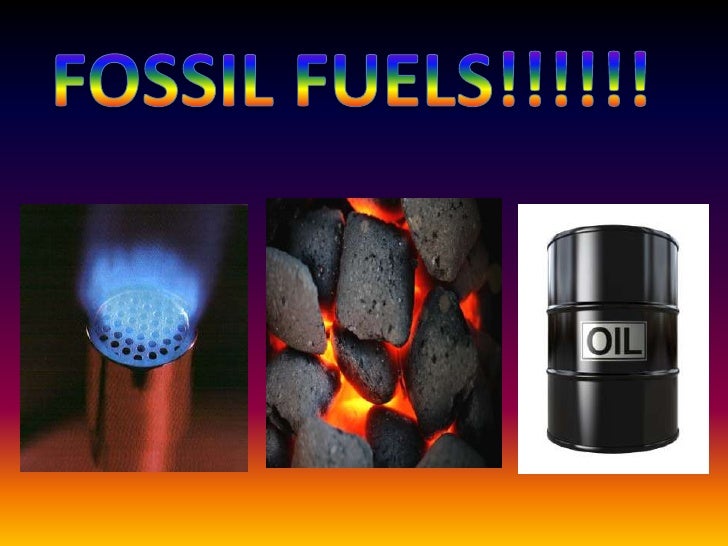 www.slideshare.netfossil fuels coal gas oil pp slideshare
Online Lesson: Renewable Vs. Non-Renewable Energy Sources - RE Sources
 www.re-sources.orgrenewable coal fossil fuels
Fossil Fuel Examples And Uses
 sciencenotes.orgfuels helmenstine sciencenotes
Fossil Fuels - Coal, Crude Oil And Natural Gas Are Non-renewable And
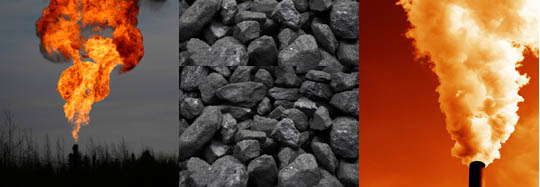 www.dasolar.comfossil fuels energy coal gas oil natural non renewable crude problem polluting
Fossil Fuels - WorldAtlas
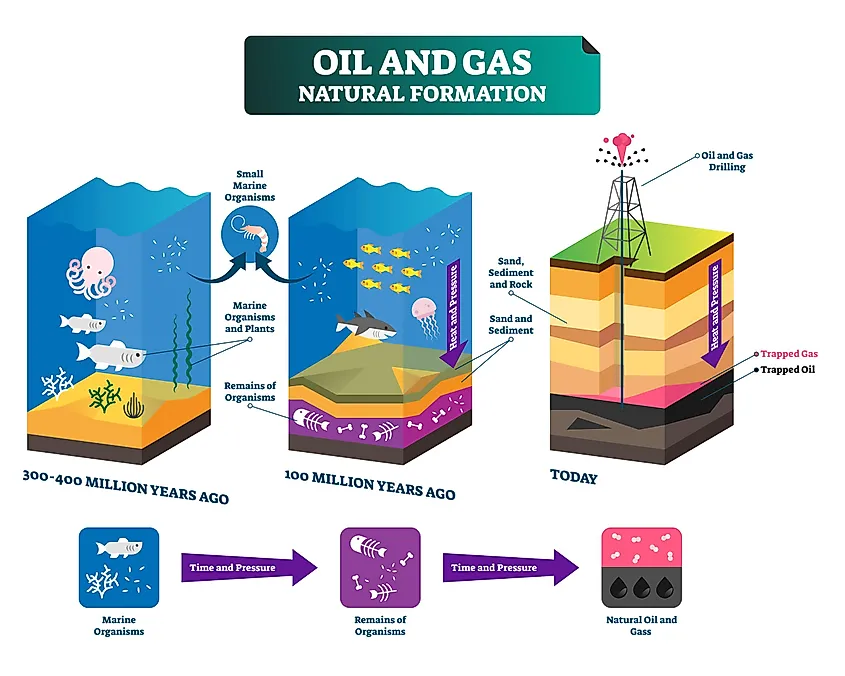 www.worldatlas.comfuels mineral labeled vorming nonrenewable verklaart organisms worldatlas fugitive gases
Online lesson: renewable vs. non-renewable energy sources. Fossil fuels. Fuels mineral labeled vorming nonrenewable verklaart organisms worldatlas fugitive gases